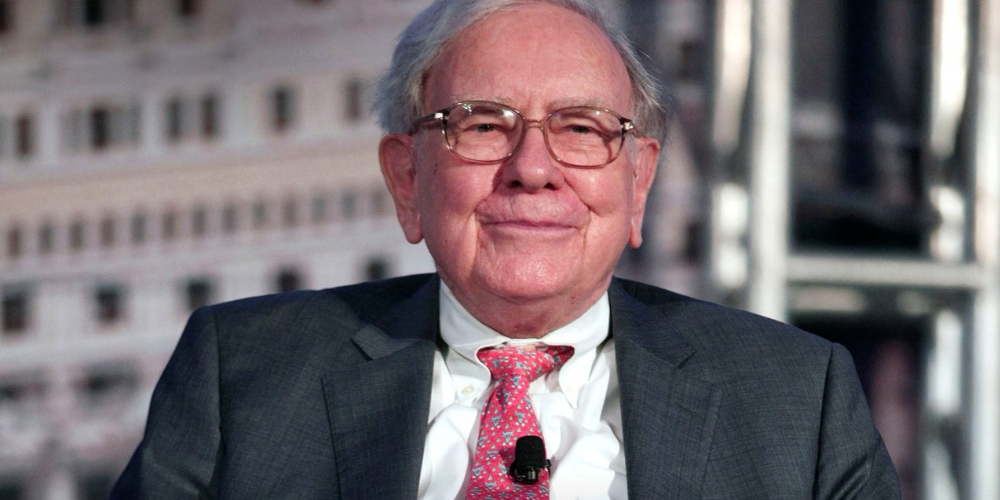
Stock market volatility often makes investors question whether it is the right time to stay invested or step aside.
Headlines about inflation, geopolitical tensions, and possible interest rate hikes from the Federal Reserve can quickly fuel uncertainty. Yet history has shown that market declines are a normal part of investing. One of the most respected investors of all time, Warren Buffett, has long encouraged people to look beyond short-term fear.
His well-known seven-word quote, “Bad news is an investor’s best friend,” continues to offer valuable guidance during uncertain markets.
Why Buffett Sees Opportunity in Bad News
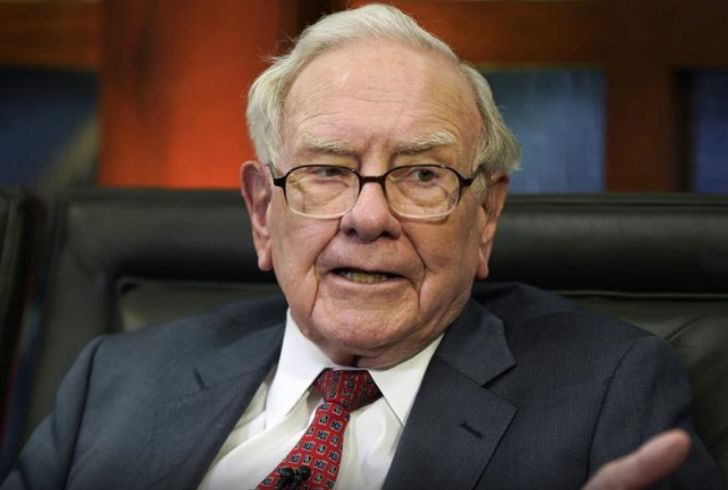
Instagram | officialwarrenbuffett | While others panic-sell, Warren Buffett buys quality stocks on sale during market downturns.
While many investors react to negative headlines by selling their investments, Warren Buffett takes a different approach. Instead of fearing market downturns, he views them as moments when quality companies can trade at discounted prices.
When panic spreads across the market, investors often sell shares of financially strong businesses along with weaker ones. This broad selling pressure can push stock prices below their actual value. Buffett watches for these situations because they can create attractive buying opportunities without changing the long-term strength of the business itself.
Rather than trying to predict when the next correction or recession will occur, Buffett focuses on factors that matter most. He evaluates a company's financial strength, long-term growth potential, and current market valuation before making any investment decision.
Lower Prices Alone Do Not Create Value
A falling stock price does not automatically make a company a smart investment. Earlier this year, when the S&P 500 (SNPINDEX: ^GSPC) declined by around 9%, Buffett suggested that the drop alone was not enough to justify buying.
The comment reinforced one of his long-standing investment principles: value depends on both business quality and price.
His investment strategy consistently favors companies with lasting competitive advantages, dependable earnings growth, and business models that can perform well over many years. These characteristics remain important regardless of short-term market conditions.
At the same time, valuation plays an equally important role. Even an outstanding company may produce disappointing returns if investors pay too much for its stock. Buying strong businesses at reasonable prices can provide a better balance between growth potential and downside risk.
Staying Focused During Uncertainty

Pexels | Despite market anxiety over inflation and interest rates, smart investors focus on long-term corporate value over temporary fear.
Concerns about inflation, the conflict involving Iran, and potential Federal Reserve rate hikes may continue to influence investor sentiment. Even so, Buffett’s approach reminds investors that temporary market fear does not always reflect a company's long-term value.
Instead of making decisions based on daily headlines, evaluating business fundamentals can lead to more informed investment choices. Market declines often test investor confidence, but they can also present opportunities to purchase high-quality companies at more attractive valuations.
Warren Buffett’s investing philosophy centers on patience, discipline, and careful valuation rather than emotional reactions. His simple yet memorable advice—“Bad news is an investor’s best friend”—highlights the idea that periods of uncertainty can create opportunities for those who focus on business quality instead of market noise.
For long-term investors, temporary price declines may represent a chance to invest in strong companies at better prices rather than a reason to panic.