Investing can look much more complicated than it needs to be. Financial television is packed with stock tips, market forecasts, economic warnings, and experts explaining what investors should buy next.
Many successful long-term investors take a much simpler route. They put money into low-cost index funds, keep adding to those investments, and give their portfolios years to grow.
The strategy does not promise quick riches. It also does not require someone to guess which company will become the next Nvidia or which sector will rally next month. Instead, investors buy a broad slice of the market. An exchange-traded fund that tracks the S&P 500, for example, gives investors exposure to hundreds of major U.S. companies through a single investment.
Beating the Market Is Much Harder Than It Looks

Jakub / Pexels / Picking winning stocks sounds attractive because the rewards can be huge. Someone who buys the right company early can earn returns that leave the broader market far behind.
The problem is finding those winners before everyone else does. Investors must also avoid companies that disappoint, decide when to sell, and repeat the process over many years.
Professional fund managers face the same challenge. They have research teams, financial models, expensive data systems, and direct access to company executives. Even with those advantages, most struggle to beat simple market indexes over long periods.
S&P Dow Jones Indices tracks this through its SPIVA research. Its midyear 2025 report found that about 96% of U.S. large cap funds underperformed the S&P 500 on a risk-adjusted basis over the previous 20 years. Even a single year can prove difficult. In 2025, 79% of active large cap U.S. equity funds underperformed the S&P 500, according to the latest year-end SPIVA report.
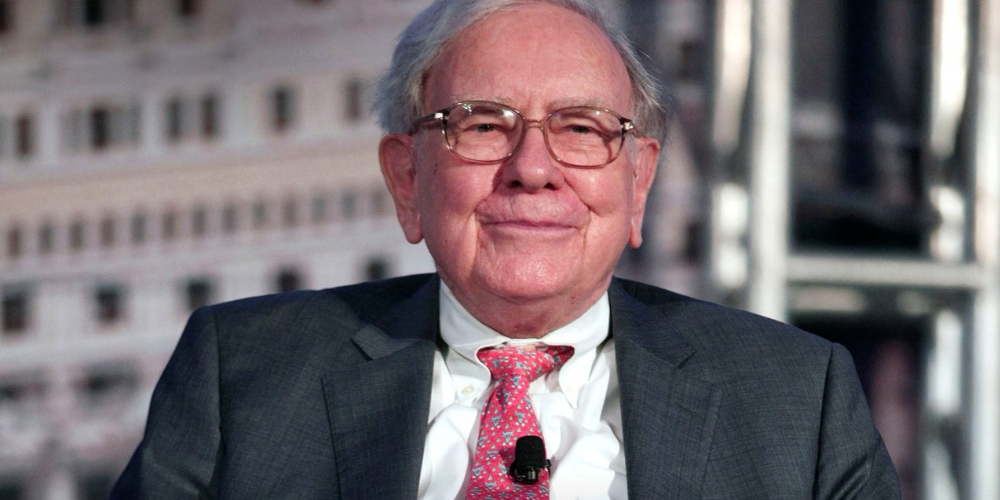
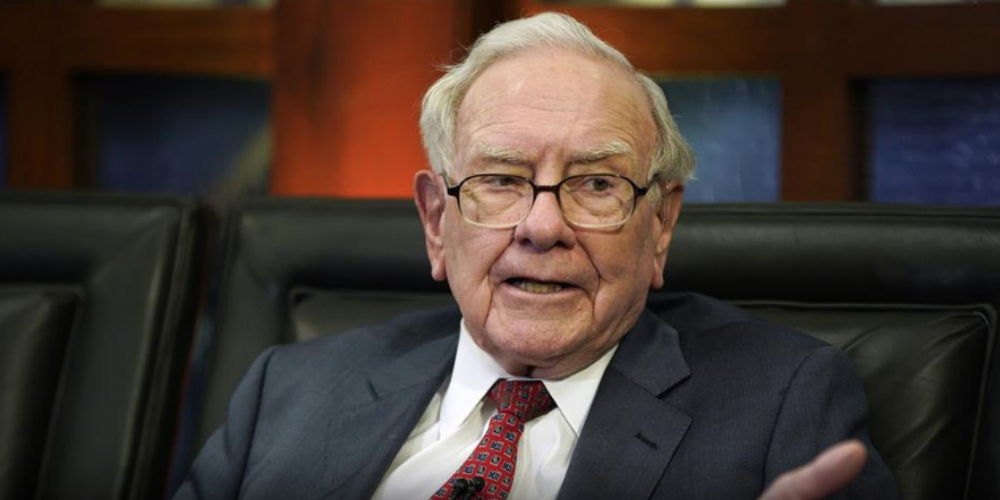
Warren Buffett famously tested this idea with a wager against hedge funds. He argued that a basic S&P 500 index fund could outperform a selected group of hedge funds over ten years. The Oracle of Omaha won the bet comfortably. His broader point was not that professional investors lacked intelligence. He argued that high costs and constant activity can make beating a cheap market fund surprisingly difficult over time.
Tiny Fees Can Make a Huge Difference

RDNE / Pexels / Low costs are another reason index funds have become so popular. Every dollar paid in management fees is a dollar that cannot stay invested and compound for the future.
Consider the Vanguard S&P 500 ETF, known by its ticker VOO. Vanguard currently lists its expense ratio at just 0.03%, meaning investors pay about $3 annually for every $10,000 invested, before other possible trading or account costs.
That is remarkably cheap compared with many actively managed funds. Vanguard reports a peer average expense ratio of about 0.405% for comparable funds, although exact fees differ considerably across investment products. The gap may look tiny on paper. Over several decades, however, even modest annual fees can remove a meaningful amount of money from a growing portfolio.
Most investors do not need to win every year. They need a strategy they can afford, understand, and continue using when markets become stressful. Low-cost index investing meets those requirements remarkably well. It keeps expenses small, spreads risk, removes much of the guessing, and gives compound growth the time it needs to work.
Smart investing does not always require finding something clever. Sometimes the strongest decision is buying a broad piece of the market, adding money consistently, and refusing to turn a long-term plan into a short-term guessing contest.