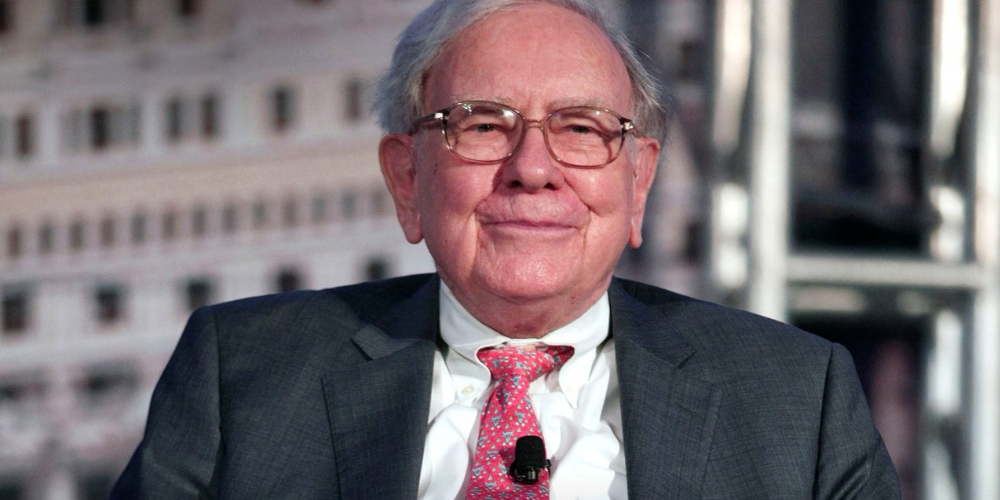
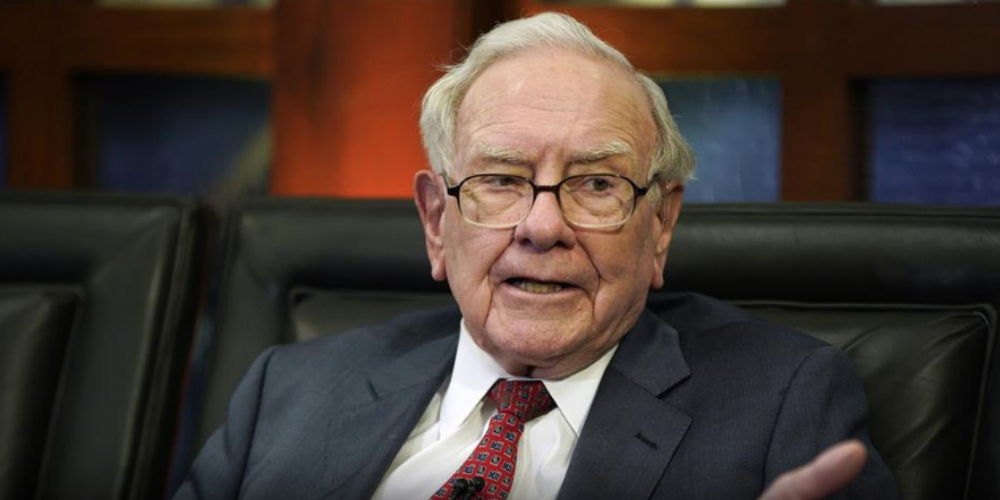
Ted Weschler, a senior investment executive at Berkshire Hathaway, built an extraordinary retirement fortune over several decades. He started with a relatively small retirement account and eventually grew it to about $264 million.
His experience highlights how early investing, disciplined research, patience, and tax planning can influence long-term wealth.
ProPublica brought attention to Weschler’s retirement account in June 2021 through its “Secret IRS Files” investigation. The report analyzed federal tax-return information and examined how wealthy Americans used tax-advantaged accounts to build substantial fortunes.
Weschler’s account became one of the most notable examples in the investigation. Retirement accounts are generally designed to help workers save for their later years, but the research showed how certain investors had accumulated enormous balances inside these accounts.
Weschler reportedly disliked the public attention surrounding his finances. Still, he later viewed the situation as a chance to discuss retirement planning and the value of starting early.
Starting With $22,000 Salary
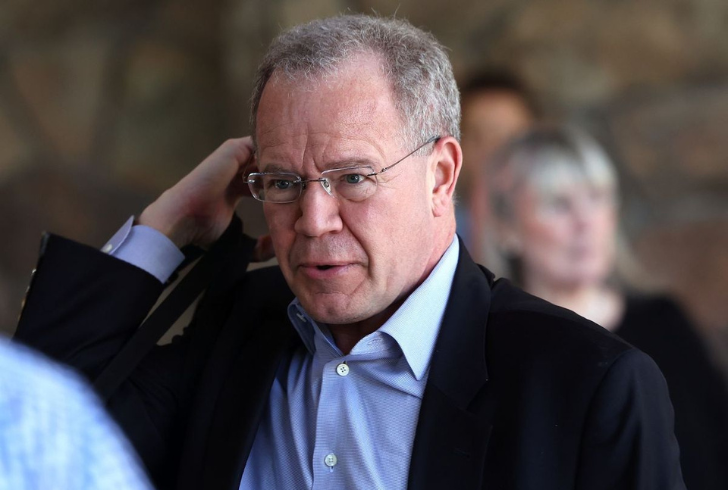
Facebook | Investopedia | Weschler built a $70,000 retirement fund in five years by maxing out his contributions and matching program.
Weschler opened his first retirement account in 1984 when he was 22 years old and working as a junior financial analyst. His annual salary was about $22,000.
By 1989, he had built the account to roughly $70,000. He did so by contributing as much as possible and taking advantage of available employer matching contributions.
Later, Weschler moved the money into a self-directed IRA. That gave him greater control over his investment choices. The account also experienced a severe setback in 1990, losing 52% of its value.
Rather than treating the loss as a permanent failure, Weschler described such experiences as “unmonetized lessons.” The phrase reflected his belief that investment mistakes could provide useful knowledge when properly studied.
Focused Investment Strategy
Weschler focused heavily on researching businesses before investing. He looked for companies he believed the market had undervalued, paying close attention to business fundamentals, competitive advantages, and management quality.
In 2000, he launched a hedge fund and concentrated his portfolio in a limited number of companies. He often held investments for long periods instead of reacting to short-term market movements.
That approach produced an average annual return of about 22% after fees between 2000 and 2011. Over many years, returns at that level can create a dramatic difference because gains can compound on top of earlier gains.
The Roth IRA Decision
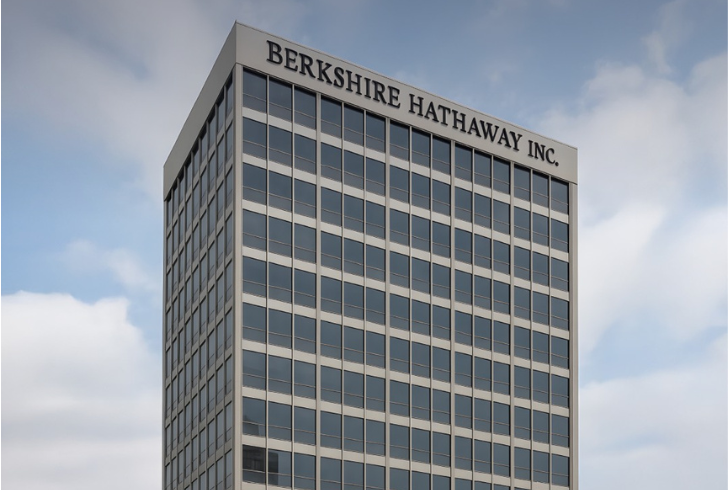
Instagram | hellostake | Since 2012, Ted Weschler has managed large-cap investment opportunities for Berkshire Hathaway.
In 2012, Weschler converted his traditional IRA into a Roth IRA. The move required him to pay approximately $28 million in taxes.
Although the immediate tax bill was enormous, the conversion allowed future growth in the Roth account to receive favorable tax treatment under applicable rules. The decision reflected Weschler’s willingness to make a significant short-term payment for a potential long-term tax advantage.
Weschler first met Warren Buffett after paying $5 million through charity auctions for two lunches with the Berkshire Hathaway chairman, one in 2010 and another in 2011.
The meetings left a strong impression on Buffett. In 2012, Berkshire Hathaway hired Weschler as an investment manager. His work has since involved evaluating large-cap businesses that fit Berkshire’s investment standards.
What Young Investors Can Learn
Weschler does not suggest that investors need to copy his concentrated strategy. He has also pointed to a much simpler alternative.
According to Weschler, if his original retirement account had been invested in an S&P 500 index fund, it could have reached roughly $1.6 million by 2021.
His broader advice centers on starting early, contributing consistently, using employer matches when available, researching investments carefully, and avoiding distractions caused by daily market noise. For people without the time or interest to study individual companies, he has particularly emphasized the usefulness of index funds.
Ted Weschler’s rise from a $70,000 retirement account to roughly $264 million shows how time, compounding, disciplined decisions, and thoughtful tax planning can work together. His results are unusual and may not be repeatable for most investors.
Still, the underlying ideas are easier to understand: start saving early, stay disciplined, learn from losses, and choose an investment approach that can be followed consistently for decades.