The recent pullback in artificial intelligence stocks has forced several hedge funds to rethink their positions.
One of the biggest developments involves Situational Awareness, the AI-focused hedge fund founded by former OpenAI researcher Leopold Aschenbrenner. After suffering steep losses during the latest AI stock selloff, the firm sold most of its publicly traded stock portfolio to Ken Griffin’s Citadel, according to two sources familiar with the transaction.
The deal highlights how quickly market conditions can change for investment firms that rely on concentrated positions and borrowed capital.
Situational Sells Most Holdings
Sources told Reuters that Situational Awareness unwound the majority of its public equity portfolio after its AI investments lost significant value. The firm had reportedly been weighing two options: raising fresh capital from investors or selling its entire publicly traded stock portfolio. It ultimately chose to sell.
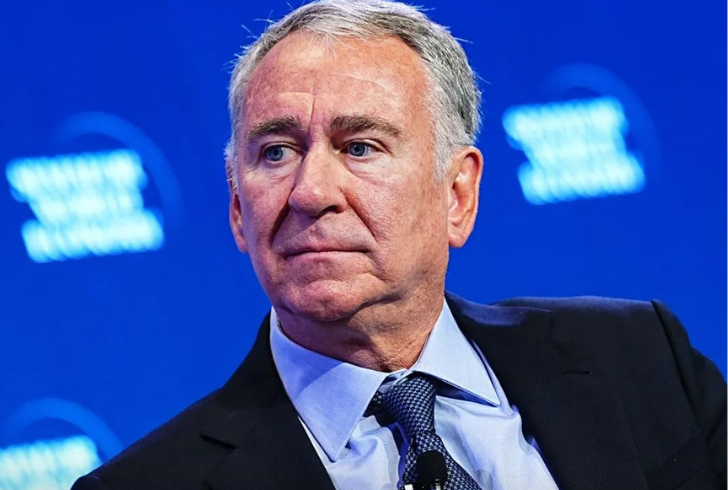
Instagram | bloombergbusiness | AI fund Situational Awareness sold off most of its stocks to Ken Griffin’s Citadel after taking heavy market losses.
Its latest regulatory filings showed holdings in several major technology companies, including Broadcom (NASDAQ: AVGO), Intel (NASDAQ: INTC), and CoreWeave (NASDAQ: CRWV). Those stocks have faced heavy pressure during the recent AI-driven market decline.
The transaction involved several leading Wall Street prime brokers, including Goldman Sachs, JPMorgan Chase, Bank of America, and Citigroup, which helped facilitate the agreement between Situational and Citadel, according to the sources.
From Exceptional Returns to Losses
Leopold Aschenbrenner attracted widespread attention after launching Situational Awareness in 2024. The hedge fund built a strong reputation with aggressive AI-focused investments and reportedly generated a remarkable 439% return from the beginning of the year through the end of June.
That momentum changed quickly in July.
According to a report by The Wall Street Journal, the fund fell about 67% during the month. The decline followed major losses in its AI-related holdings. The newspaper cited a source who reviewed a letter sent to investors.
In the letter, Aschenbrenner blamed short sellers for adding pressure to the firm’s positions. He said their actions contributed to the rapid decline.
Situational Awareness did not immediately respond to Reuters' request for comment outside regular business hours.
What Citadel Acquired
The agreement allows Citadel to acquire the leveraged portion of Situational's public investment portfolio. Sources said this includes positions financed through borrowing from prime brokers.
Even after the sale, Situational will continue managing a portfolio worth roughly $10 billion. That portfolio includes both remaining public investments and private holdings. One notable asset that remains untouched is the firm's investment in AI startup Anthropic, which sources confirmed was not included in the transaction.
Citadel, led by Ken Griffin, manages approximately $71 billion in assets and ranks among the world's largest and most profitable hedge funds.
AI Market Decline Hits Hedge Funds
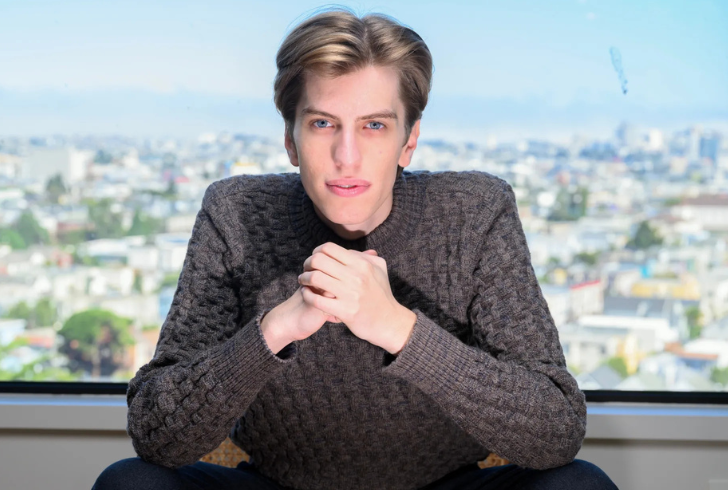
Instagram | bloombergbusiness | Leopold Aschenbrenner’s hedge fund, Situational Awareness, reportedly surged 439% in early 2024.
The transaction comes during one of the toughest periods for hedge funds focused on artificial intelligence.
According to a Goldman Sachs prime brokerage note sent to clients this week, global hedge funds are facing their biggest monthly drawdown on record as AI stocks continue to decline. The report said Asia-focused fundamental long-short funds dropped an average of 18.6% during the month through July 28.
Morgan Stanley’s prime brokerage division also reported changes in hedge fund strategies. Stock-picking hedge funds have reduced their exposure to AI companies. They did this by selling long positions and covering short positions at nearly the same rate.
Many hedge funds use borrowed money, also known as leverage, to boost potential returns. Leverage can increase profits when markets rise. However, it can also create larger losses when markets fall. Declining asset values may lead to margin calls from lenders. This can force firms to sell investments and increase market pressure.
Sources have not confirmed if Situational Awareness faced margin calls before finalizing its agreement with Citadel.
Before the recent market downturn, Situational managed around $20 billion in assets and had about 20 employees. The firm attracted major investors, including Jane Street, Stripe co-founders Patrick and John Collison, and Meta executives Daniel Gross and Nat Friedman.
After its deal with Citadel, Situational still manages about $10 billion in assets. This includes private investments like its stake in Anthropic, which was not included in the sale. The transaction shows how quickly market shifts can change the strategies of AI-focused hedge funds.