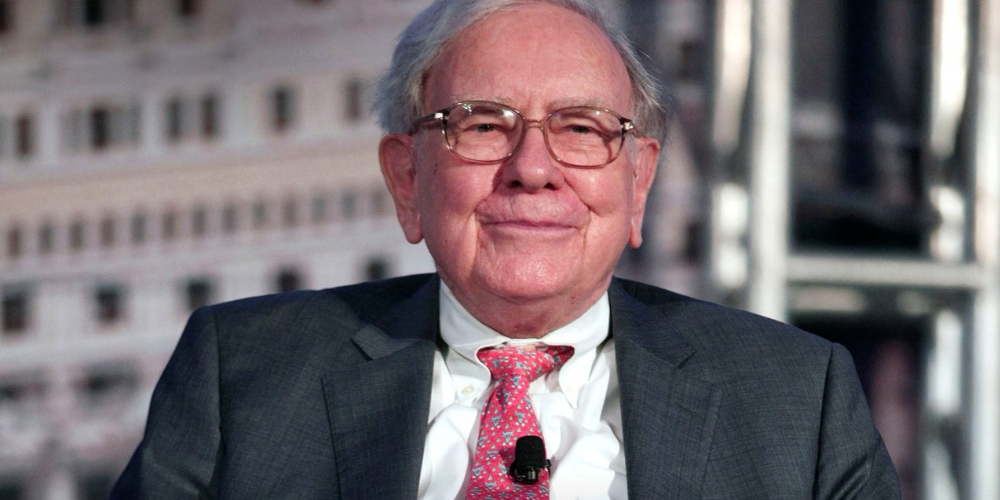
Markets reward patience, yet they often tempt investors to act at the worst possible time. Few voices have explained this pattern as clearly as Warren Buffett. Known for turning complex ideas into simple, lasting lessons, Buffett continues to influence how investors think about timing, discipline, and risk.
One of his most quoted insights—“What the wise do in the beginning, fools do in the end”—captures a pattern that repeats across every market cycle.
This idea speaks directly to a common mistake: chasing investments after they have already surged. By the time widespread excitement builds, the biggest gains are often gone, leaving late entrants exposed to sudden losses.
Understanding Buffett’s Core Message

Freepik | Early investors succeed by pairing thorough research with the discipline to hold undervalued assets.
Buffett’s quote, featured in “The Essays of Warren Buffett: Lessons for Corporate America,” reflects a clear divide in investor behavior. Early investors rely on research, patience, and conviction. They identify undervalued opportunities and hold them long enough for value to emerge.
Late investors tend to act on headlines, hype, or visible success stories. Instead of evaluating fundamentals, they focus on quick returns. As a result, they often buy when prices are already inflated.
This pattern connects closely with two powerful emotions—fear and greed. Greed pushes investors to chase rising assets, while fear drives them to sell when prices fall. Buffett’s long-term strategy avoids both extremes by focusing on value rather than momentum.
Why Late Entry Often Leads to Losses
Market cycles follow a familiar rhythm. Early participants enter when uncertainty is high and prices are low. As confidence grows, more investors join, pushing prices higher. Eventually, excitement turns into overconfidence, and valuations lose connection with reality.
At this stage, latecomers step in, expecting continued growth. However, once sentiment shifts, early investors begin to exit. Prices drop quickly, and those who entered late face limited opportunities to recover losses.
No one can predict the exact moment a bubble will burst. Still, history shows that late-stage enthusiasm rarely ends well. Gains made early often transfer to those who enter last.
Lessons from Market History
This behavior has played out in several well-known periods. During the Dotcom Bubble of the late 1990s, early investors recognized the internet’s potential and invested before valuations soared. By 1999, widespread excitement led many to invest in any company linked to the internet, regardless of financial strength.
When the bubble collapsed, thousands of companies failed, and late investors absorbed heavy losses. The pattern followed Buffett’s observation almost perfectly.
A similar trend appeared in cryptocurrency markets. Early adopters who researched and held through volatility saw significant returns. However, many entered during peak hype, driven by stories of rapid wealth. Without a clear understanding of the asset, they bought at high prices and sold during downturns, locking in losses.
These examples show that timing alone does not define success. Knowledge, discipline, and patience play a far greater role.
Role of Technology and Social Influence

Freepik | Easy-access trading apps offer ultimate convenience but often trigger costly impulsive trades.
Modern tools have made investing more accessible than ever. Trading apps, instant transactions, and constant updates create an environment where decisions happen quickly. While this access offers convenience, it also increases exposure to impulsive behavior.
Social media adds another layer of influence. Viral trends, online communities, and bold predictions can shape investor decisions within minutes. Many of these messages promote rapid gains without discussing risks.
In some cases, individuals encourage others to buy assets they already own, aiming to push prices higher. This practice often goes undisclosed, making it difficult for new investors to assess the true motive behind the advice.
Fear of missing out intensifies the problem. When others appear to profit, hesitation feels like a missed opportunity. This pressure can lead to rushed decisions without proper evaluation.
Building a More Disciplined Approach
Buffett’s philosophy offers a straightforward alternative. Focus on understanding an investment before committing money. Look for value rather than popularity. Accept that strong returns often take time.
Patience plays a key role in this approach. Markets fluctuate, but long-term value tends to prevail. Investors who remain consistent with their strategy are less likely to react emotionally during short-term swings.
Independent thinking also matters. Relying on personal research helps filter out noise and reduces the influence of market hype. This approach supports better decision-making, especially during periods of extreme optimism or fear.
Buffett’s statement about wise and foolish behavior highlights a recurring pattern that continues to shape financial markets. Early action based on research often leads to opportunity, while late entry driven by excitement increases risk. The gap between these two approaches defines the outcome for many investors.
A disciplined strategy built on patience, understanding, and long-term thinking remains one of the most effective ways to avoid common pitfalls. Markets will continue to shift, trends will come and go, but the principles behind smart investing remain consistent.