Elon Musk has crossed a financial milestone that once sounded like science fiction. Following the blockbuster public debut of SpaceX in June 2026, Musk became the world's first trillionaire on paper. The achievement came after investors rushed into the company's historic stock market debut, sending its valuation soaring to levels never seen before.
The moment instantly grabbed global attention. For years, people wondered who would become the first trillionaire. Some predicted a tech giant. Others expected an oil empire or a royal fortune. Instead, the title went to an entrepreneur whose biggest assets are rockets, satellites, electric vehicles, and artificial intelligence.
The Historic IPO That Changed Everything
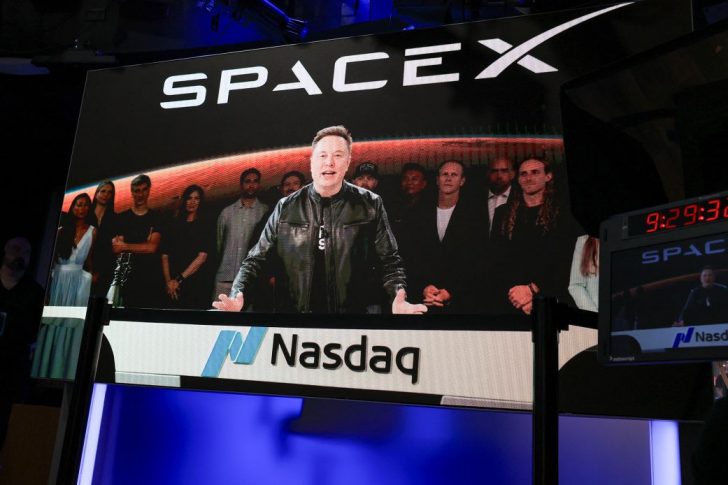
Yahoo News / SpaceX entered the stock market with enormous expectations. Investors had waited years for the company to go public, and demand proved even stronger than many analysts predicted.
The offering was initially priced at $135 per share and raised $75 billion. Investor appetite quickly pushed the total offering size to $85.7 billion, making it the largest IPO ever recorded.
The excitement did not end on listing day. SpaceX shares surged in the sessions that followed, lifting the company's market value above $2.5 trillion. That remarkable rise turned SpaceX into one of the most valuable companies on the planet almost overnight. As the stock climbed, Musk's personal fortune climbed right along with it.
The company's appeal is easy to understand. SpaceX dominates commercial rocket launches, operates the rapidly expanding Starlink satellite network, and continues pushing ambitious plans for deep space exploration. Investors see a business with multiple revenue streams and a long runway for growth. That confidence helped fuel the extraordinary rally.
For market watchdogs, the IPO marked a turning point. SpaceX was no longer just a private company admired from a distance. It became a public market powerhouse with a valuation large enough to reshape global wealth rankings in a matter of days.
How Elon Musk Reached Trillionaire Status
The main driver behind Musk's trillionaire milestone is his massive ownership stake in SpaceX. Reports indicate that he controls roughly 38% to 42% of the company through shares and stock options. With SpaceX valued at more than $2.5 trillion, those holdings became worth hundreds of billions of dollars.
At the IPO price alone, Musk's SpaceX stake was estimated at approximately $866 billion. That figure was already staggering. When combined with his Tesla holdings, valued at roughly $286 billion, his total wealth pushed beyond the trillion-dollar mark for the first time.
The rally after the IPO made the numbers even more dramatic. As SpaceX shares continued climbing, estimates of Musk's net worth rose sharply. Several financial calculations placed his fortune between $1.2 trillion and $1.4 trillion within days of the company's market debut.
That increase widened the gap between Musk and every other billionaire on the planet. The difference became so large that comparisons with traditional wealth rankings started to look almost meaningless. His fortune exceeded the combined wealth of several of the world's richest individuals.
Musk Is Still a Trillionaire on Paper
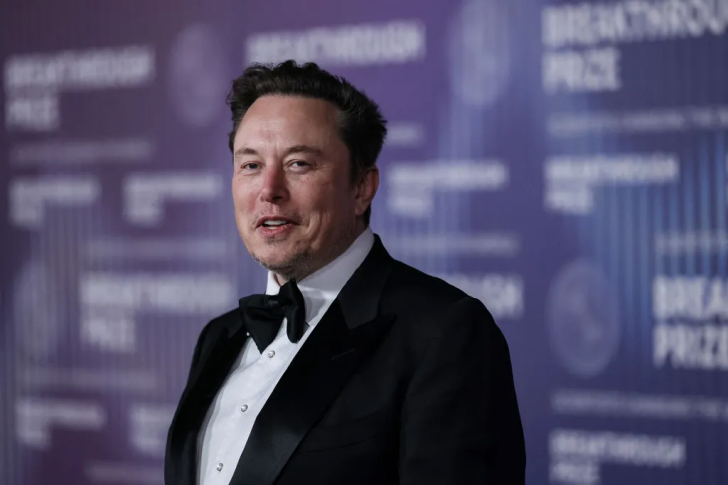
GTN / The 54-year-old Tesla boss is not sitting on a trillion dollars in cash, though. Most of his wealth exists as stock ownership tied to the market value of SpaceX and Tesla.
That distinction matters because stock prices move constantly. A company's valuation can rise quickly during periods of optimism and fall just as fast when sentiment changes. The value attached to Musk's holdings reflects what investors currently believe those companies are worth.
There are also restrictions on his ability to sell shares. Reports indicate that Musk cannot freely unload his SpaceX stock immediately after the IPO. Lockup periods are common after major public offerings, and large insider sales could put pressure on the stock price.
Even without those restrictions, selling such a huge stake would not be simple. Offloading hundreds of billions of dollars' worth of shares would likely affect market prices. In practical terms, the theoretical value of his holdings is very different from cash sitting in a bank account.