Tipping once felt simple—leave a little extra for good service and move on. That clarity has started to fade. A growing number of consumers now question when, where, and why they are expected to tip. What used to be a restaurant-only practice has stretched into coffee counters, self-checkouts, and even basic transactions. As expectations shift, frustration is becoming harder to ignore.
A recent survey by Popmenu reveals just how widespread this sentiment has become. About 78% of respondents said tipping practices have gotten out of hand. That’s not a quiet concern—it reflects a clear shift in how people view everyday spending. At the same time, 44% reported tipping less this year compared to the previous one.
Online conversations echo this fatigue. One Reddit user described the experience as overwhelming, saying they can’t go through a weekend without being prompted to tip multiple times for minimal service. The pressure, according to the user, creates unnecessary stress over every transaction.
On TikTok, another user questioned why nearly every interaction now comes with a tip request, even when the service feels basic. The frustration centers on one point: tipping no longer feels tied to effort or quality.
How Tipping Became So Common
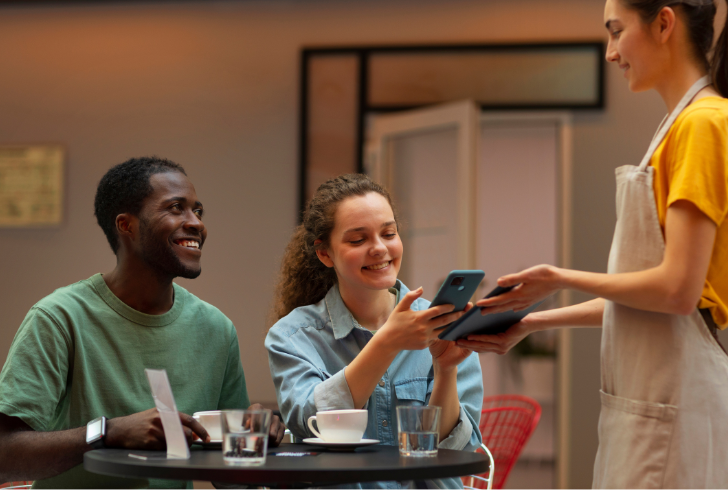
Freepik | Tipping fatigue is real, and the "tip creep" into every transaction has people feeling the squeeze.
According to Popmenu CEO Brendan Sweeney, tipping has reached a point where it feels almost unavoidable. Many consumers believe they are being asked to tip for situations that never required it before.
This shift didn’t happen overnight. During the COVID-19 lockdowns, tipping increased as a way to support struggling workers in the hospitality industry. Customers often tipped more generously, especially for takeout orders, driven by a sense of goodwill.
That behavior continued even after restrictions eased. Over time, what started as a supportive gesture turned into a standard expectation. At the same time, inflation began to affect household budgets, making frequent tipping harder to sustain.
Digital payment systems have also played a role. Many businesses now use checkout screens that automatically suggest tips. These prompts appear quickly and often, making it difficult to skip without feeling uncomfortable.
The Pressure to Tip
Digital tipping has introduced a new kind of pressure. When a screen asks for a tip, many feel obligated to comply. The survey found that 59% of respondents still feel compelled to leave a tip in these situations, though that number has dropped from 66% in late 2025.
The concept of “guilt tipping” remains strong. People often tip to avoid awkward moments rather than reward service. Over the past year, consumers estimated spending around $130 on tips they believed were unnecessary. That figure has decreased from $150, suggesting people are starting to push back.
There are signs of change. About 42% of respondents said they now feel more comfortable skipping tips in certain situations. Still, 66% admitted they have tipped even after receiving poor service, showing how ingrained the habit has become.
Changing Tipping Habits
Spending patterns reveal a gradual pullback in tipping across several categories. Fewer people are leaving higher percentage tips, especially for restaurant servers and delivery drivers.
1. Around 41% now tip restaurant servers 20% or more, down from 45% in September 2025
2. About 29% stick to a 15% tip, which remains steady
3. Only 15% tip delivery drivers 20% or higher, a noticeable drop from 23%
4. Meanwhile, 27% tip delivery drivers 15%, showing little change
Outside traditional dining, the decline is even more visible. Coffee shops, food trucks, and fast-food counters are seeing fewer tips compared to previous months. Digital pickup orders also reflect this trend, with tipping rates falling from 78% in 2022 to 62% in 2026.
Reactions to Suggested Tip Amounts
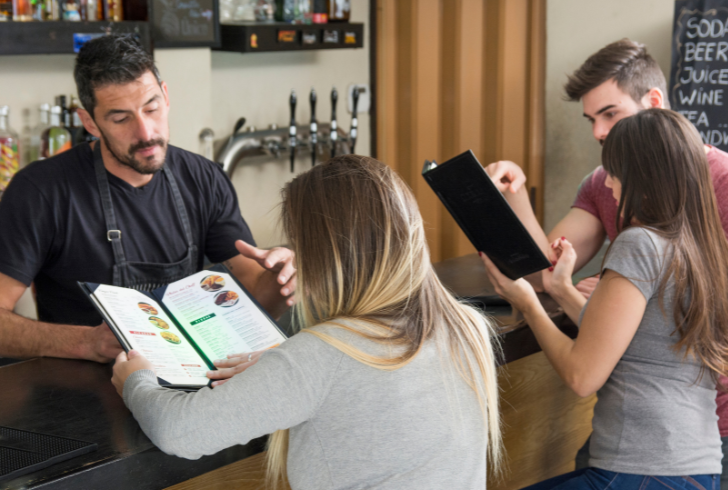
Freepik | Most respondents prefer higher menu prices over tipping if it ensures better wages for workers.
Many consumers have noticed that suggested tip percentages on payment screens are rising. About 74% said they have seen higher default options when paying digitally.
When faced with these prompts, people respond in different ways:
1. 36% prefer entering a custom tip
2. 32% choose a mid-range option
3. 17% select the lowest suggested amount
4. Only 7% go for the highest option
5. Around 9% skip tipping altogether
These choices show a shift toward more deliberate decision-making rather than automatic tipping.
Would Higher Prices Replace Tipping?
An interesting trend is emerging around pricing preferences. More than half of respondents—56%—said they would rather pay higher menu prices if it meant workers received better wages without relying on tips.
This suggests that many consumers are open to a system where service costs are built into pricing. It removes uncertainty and reduces the social pressure tied to tipping decisions.
Tipping culture in the United States is going through a noticeable shift. What once felt like a simple way to reward service has turned into a frequent and sometimes uncomfortable expectation. Survey data, spending patterns, and online discussions all point to the same conclusion—people are rethinking how and when they tip.
While tipping is unlikely to disappear, attitudes are changing. Consumers are becoming more selective, more aware, and less willing to tip out of obligation. As businesses adjust and pricing models evolve, the role of tipping may look very different in the years ahead.