Violence in the Middle East is shaking global oil markets, raising concerns that prices may reach heights unseen in years. Experts warn this could push up inflation, affect household spending, and slow economic growth worldwide.
Ryan Sweet, chief global economist at Oxford Economics, explained the stakes: “Every penny increase in gasoline prices reduces consumer spending by one and a half billion dollars over the course of a year.”
Even minor swings in oil prices, it seems, have a large impact on consumer wallets.
Oil Prices on the Rise
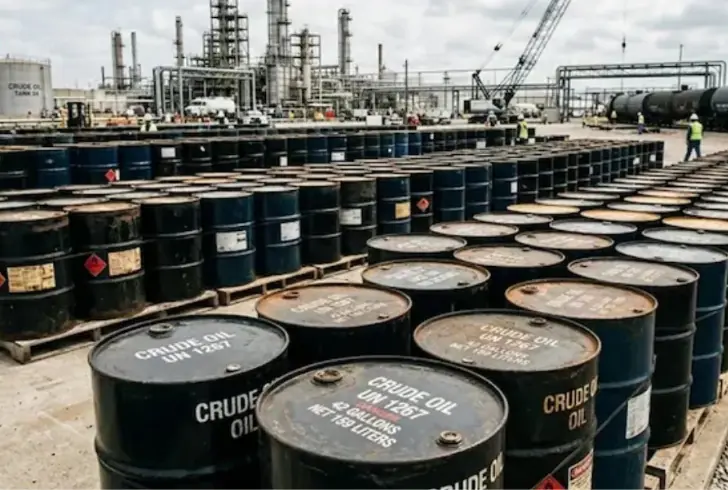
Brent crude briefly climbed past $119 per barrel after attacks on vital energy infrastructure. Analysts say continued disruptions could drive prices even higher, increasing fuel costs for households.
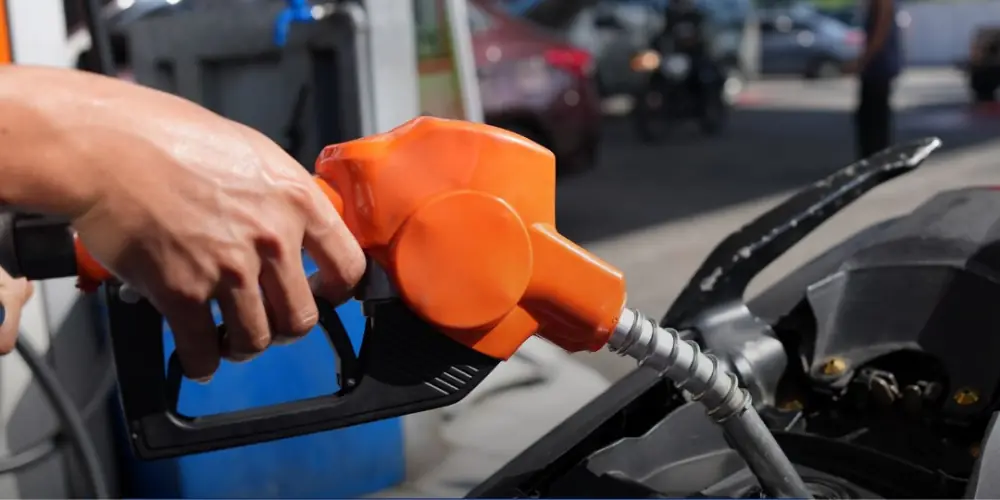
Consumers are already noticing the difference at the pump, where average gasoline prices reached $3.88 per gallon according to AAA, nearly $1 higher than before the conflict began. Rising jet fuel costs have also led some airlines to adjust ticket prices.
Historical context shows the stakes: in July 2008, Brent and West Texas Intermediate hit around $145 per barrel, equating to about $215 per barrel when adjusted for inflation, according to FactSet.
TD Securities warns that if the conflict drags on, oil could eventually surpass $200 per barrel.
Economic Impact in the U.S. and Abroad
Even with global oil prices on the rise, the U.S. remains relatively insulated. Samuel Tombs, chief U.S. economist at Pantheon Macroeconomics, said, “I think the U.S. stands better than most.” The combination of being a top oil producer and lower household energy costs helps cushion the economy.
Still, extended high prices carry risks. Oxford Economics warns that Brent crude at $140 per barrel for two months could trigger layoffs, boost unemployment, and reduce consumer spending.
Ryan Sweet explained, “Businesses start to lay off workers, and then that also hits consumption,” potentially triggering a slowdown across the economy.
Higher-income households might cut discretionary spending if markets decline, while lower-income households feel the direct impact of rising fuel costs.
Inflationary Pressures
Rising oil prices also put upward pressure on overall costs. Freight and shipping expenses flow through supply chains, affecting groceries and other goods. Pantheon Macroeconomics projects that oil at $150 per barrel for three months could lift the Consumer Price Index to 6% annually, up from 2.4% in February. Diesel, essential for trucking, recently exceeded $5 per gallon.
Ramnivas Mundada of GlobalData noted, “Even if oil prices stabilize, higher freight costs, longer shipping routes, and insurance costs can keep delivered prices elevated. That increases the likelihood that inflation proves stickier than expected.”
Can Consumers Manage the Impact?
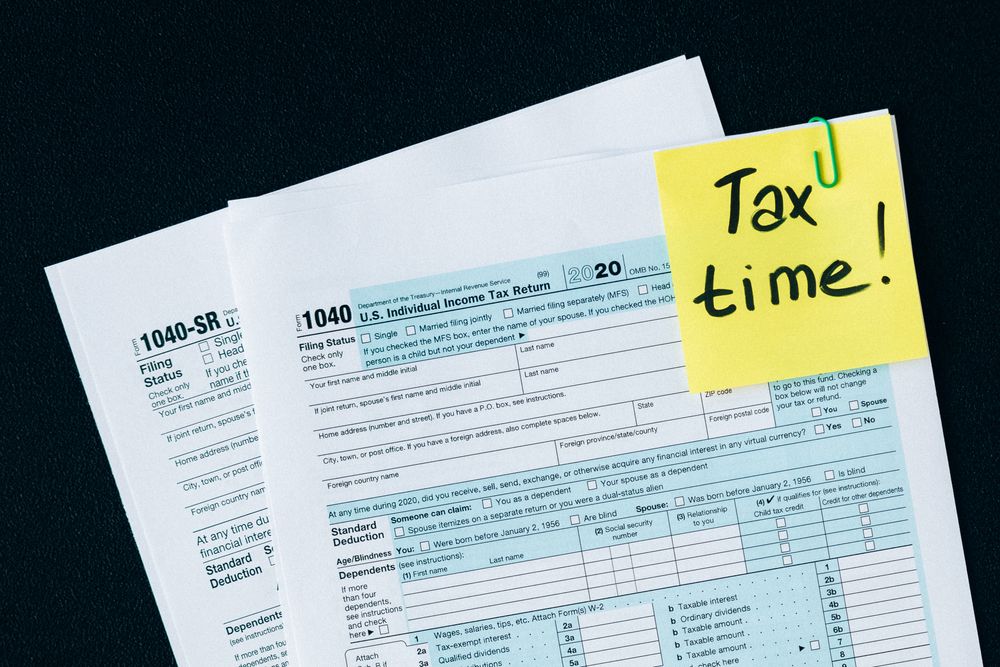
Households may get some relief from larger tax refunds expected this year under the “big, beautiful bill” act. The Tax Foundation estimates an average refund of $748, roughly matching the extra annual cost of higher gas prices for a typical household.
Samuel Tombs added that while U.S. consumers can handle short-term spikes, extended periods of high energy prices could stretch budgets. Sweet said, “The U.S. consumer can weather a couple of weeks of high energy prices, but with each passing month, the economic costs really begin to mount.“
With ongoing tensions in the Middle East, uncertainty for oil markets remains. While the U.S. may be insulated from the worst effects, prolonged high prices could ripple through businesses, jobs, and household finances, keeping inflation pressures elevated.