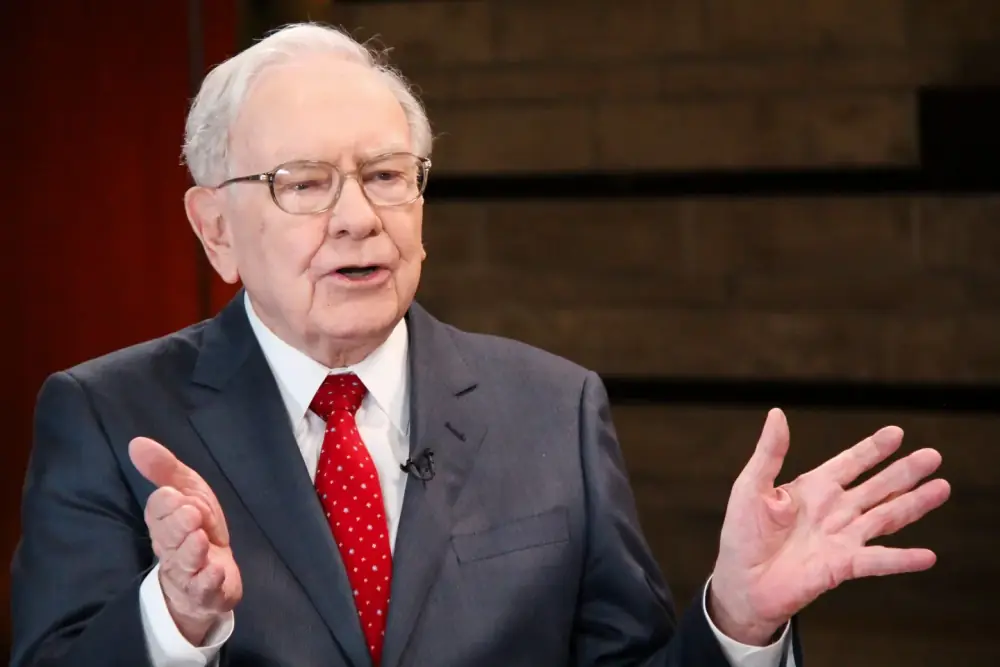
Warren Buffett’s last Thanksgiving message lands with the weight of a final curtain call. At 95, the world’s most trusted investor is stepping back. His note marks the end of his annual letters and his run as Berkshire Hathaway’s CEO. The message hits harder because it feels personal, almost like he is talking straight from his kitchen table.
In a year filled with noise, Buffett closes out his public voice with honesty, memory, and a push for everyone to do better.
The final Thanksgiving letter confirms that Greg Abel will take the CEO seat by year-end, a transition long expected. Buffett’s tone is steady and warm. He praises Abel without hesitation and shifts attention toward what the company needs next. You can sense his relief that Berkshire’s future is locked in the hands he trusts.
“I’m going quiet,” he writes, but the message still carries shades of the teacher he has always been.
A Final Look Back at Omaha’s Influence
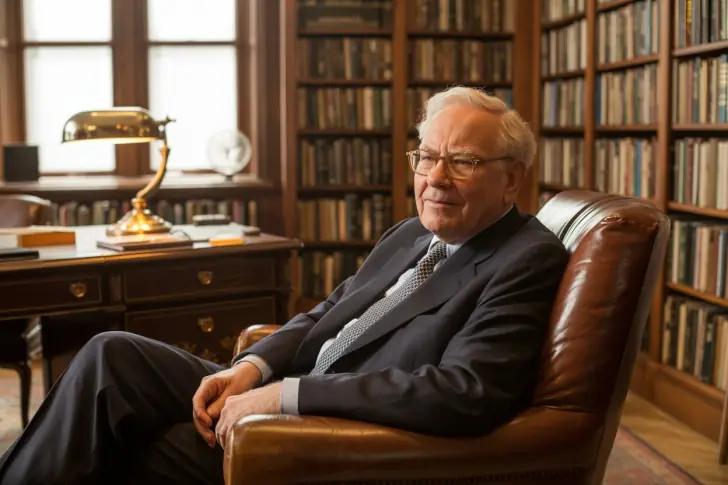
The Oracle of Omaha shares childhood stories like the emergency appendectomy that nearly killed him and the playful memory of fingerprinting nuns as a kid. These moments are more than funny tales. They show how deeply Buffett connects his success to place, luck, and the people who shaped him.
Buffett describes friendships with figures like Charlie Munger, Don Keough, Walter Scott Jr., and Stan Lipsey, all tied back to Omaha in some way. He sees that cluster of talent as proof that greatness can come from unlikely corners. To him, the Midwest provided steady values, space to think, and a long view of life.
Accepting Age and the Reality of Time
Buffett’s message is unusually open about aging. He jokes about his limits but also speaks plainly about the toll of time. His survival, he says, is mostly “dumb luck,” and he doesn’t pretend otherwise. He knows he is in rare company when it comes to longevity, health, and opportunity.
One of the biggest revelations in his message is the acceleration of his giving plan. Buffett converted 1,800 A shares into 2.7 million B shares, then sent them to four foundations connected to his family, worth roughly $1.35 billion. He explains the reason clearly. His children are in their seventies and late sixties.
Buffett wants them to manage the bulk of his wealth while they still have the energy and judgment to do it well. He has no interest in “ruling from the grave.”
A Look at Corporate Leadership
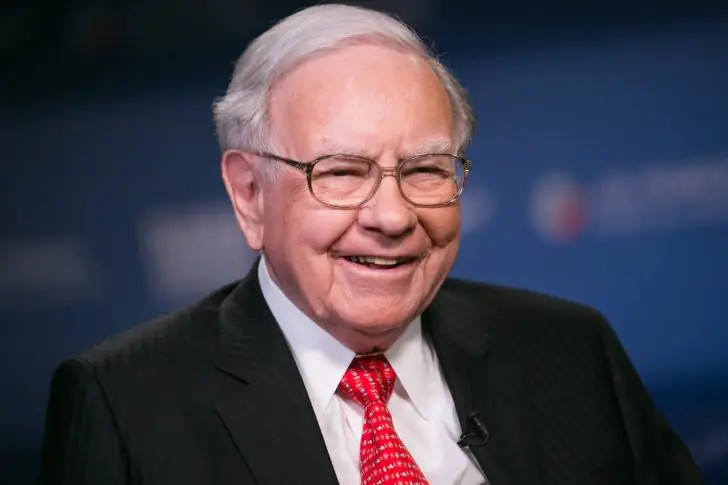
Buffett admits that both he and Charlie Munger made mistakes by not acting faster in earlier years when this happened at certain companies. He urges future directors to stay alert and speak up.
He also calls out the way CEO pay rules backfired. Instead of creating fairness, they fed envy. CEOs compared themselves to peers and pushed for higher compensation. Buffett explains it with the same plain tone he uses for everything. When success is measured by paychecks, greed grows. And when envy creeps in, decision-making shifts.
Buffett gives Berkshire a steady, almost modest forecast. He says the company has “moderately better than average prospects,” yet admits its size makes it hard to stand out the way it once did.
His concluding thoughts focus on personal improvement: learn from mistakes, choose heroes carefully (citing Tom Murphy as the best), live by the Golden Rule, and “remember that the cleaning lady is as much a human being as the Chairman.” His final line is: “You will never be perfect, but you can always be better.”